




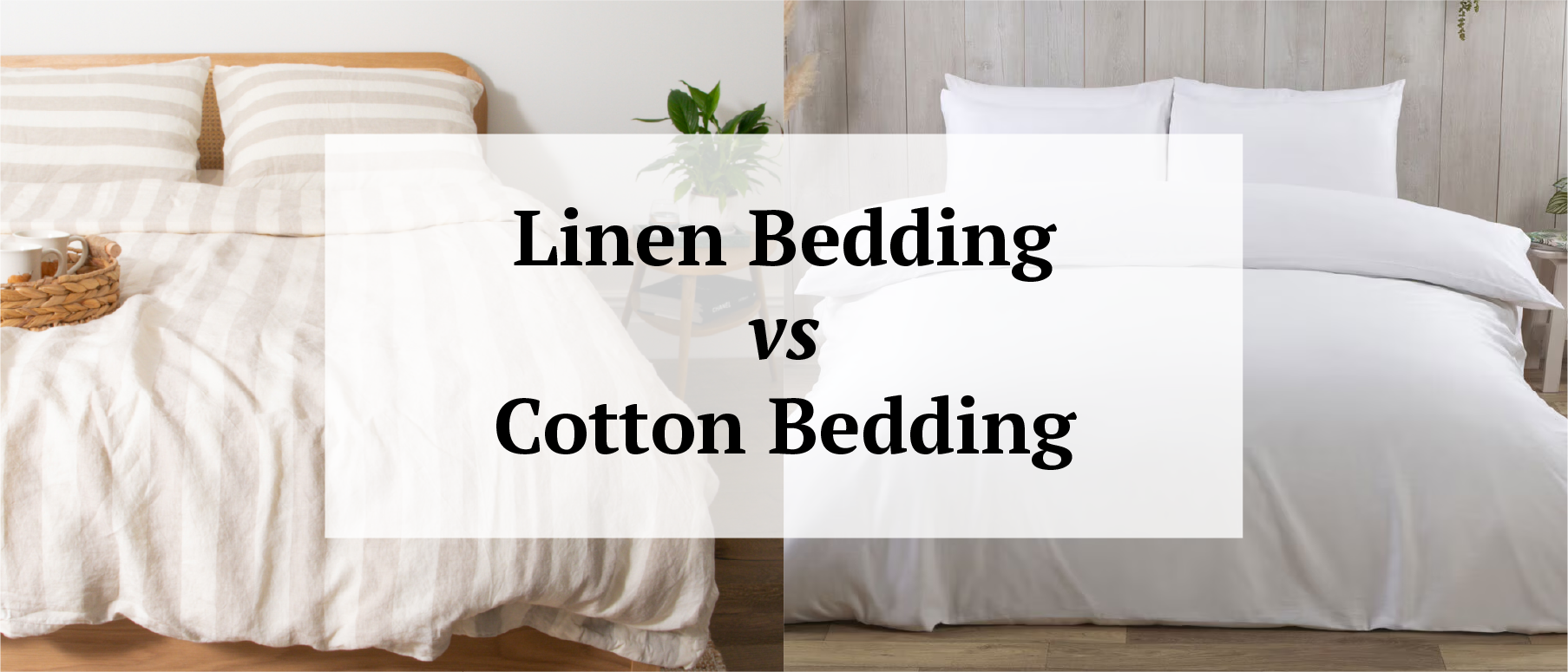
Linen Vs Cotton Bedding
When choosing natural bedding, many people compare linen vs cotton bedding to decide which fabric offers the best balance of comfort, breathability, and durability.
Both fibres are natural and widely loved, yet they feel and perform quite differently. Understanding these differences can help you create a bedroom that feels comfortable year-round.
What Is Linen Bedding?
Linen bedding is made from fibres derived from the flax plant. The fibres are naturally strong and slightly textured, giving linen its signature relaxed appearance.
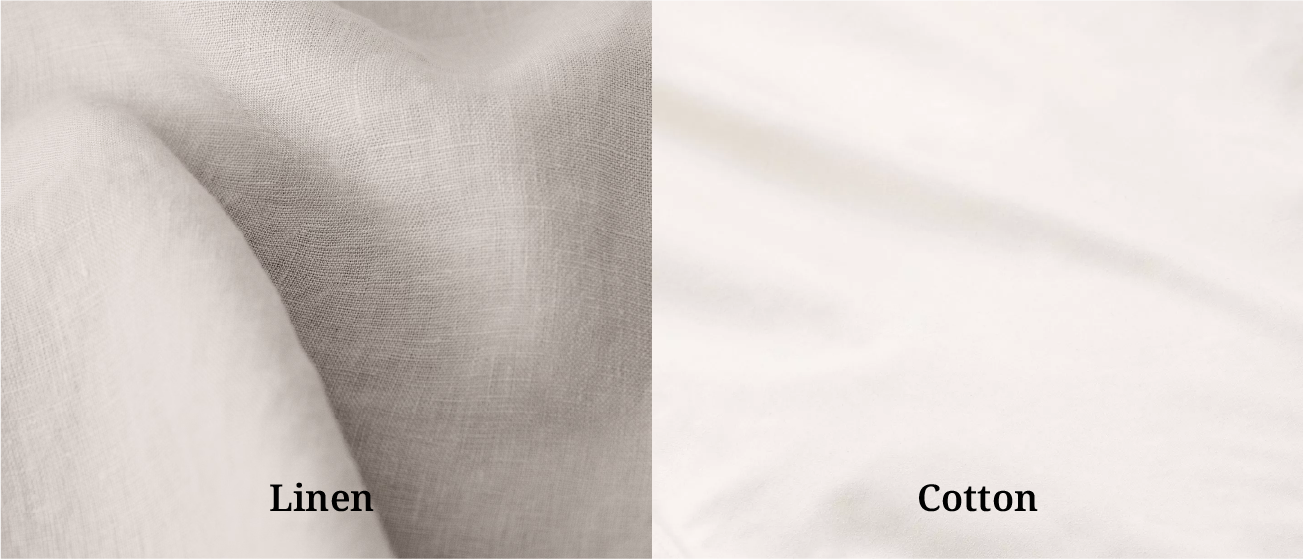
Linen sheets are known for their breathability, moisture-wicking ability and effortless drape. Over time, linen becomes softer with every wash while retaining its structure.
Explore our linen bedding collection to discover breathable, natural designs.
What Is Cotton Bedding?
Cotton bedding is made from cotton plant fibres and is one of the most common bedding materials worldwide. It is soft, smooth and available in a wide range of weaves and thread counts.
Cotton sheets typically feel crisper and smoother than linen, especially in higher thread counts.
Linen vs Cotton Bedding: Side-by-Side Comparison
| Feature | Linen Bedding | Cotton Bedding |
|---|---|---|
| Texture | Lightly textured, relaxed feel | Smooth and soft |
| Breathability | Highly breathable | Breathable but less airy |
| Temperature Regulation | Excellent airflow, ideal for warm sleepers | Comfortable but less adaptive |
| Durability | Very strong, softens over time | Durable but may thin with washing |
| Maintenance | Low-maintenance, relaxed look | Often requires ironing for crisp finish |
| Sustainability | Flax requires less water to grow | Can be water-intensive depending on farming |
Breathability and Temperature
The most important factor in the linen vs cotton bedding comparison is breathability.
Linen fibres are hollow, allowing air to circulate freely. This makes linen particularly suitable for warm sleepers or summer months.
Cotton is also breathable, but its denser weave can retain slightly more heat depending on the fabric type.
Softness and Feel
If you prefer a smooth, hotel-style finish, cotton may feel more familiar.
If you enjoy a relaxed, natural texture that softens beautifully over time, linen offers a more organic aesthetic.
Durability and Longevity
Linen fibres are naturally strong, often outlasting cotton when cared for properly. The fabric becomes softer rather than weaker with age.
Cotton bedding can last many years but may gradually thin with frequent washing, particularly in lower-quality varieties.
Maintenance and Care
Linen’s relaxed drape means it rarely needs ironing, making it ideal for effortless styling.
Cotton bedding may require ironing if you prefer a crisp finish.
Sustainability Considerations
Flax, used to produce linen, typically requires less water and fewer pesticides than conventional cotton crops.
However, sustainability depends on sourcing practices for both fibres. Choosing high-quality, responsibly produced materials is key.
Is Linen Better Than Cotton Bedding?
The answer depends on personal preference and climate.
Choose linen bedding if you want:
- Maximum breathability
- A relaxed, natural aesthetic
- Fabric that softens over time
Choose cotton bedding if you prefer:
- Smooth, crisp sheets
- A traditional hotel-style finish
- A slightly lower upfront cost
Many homes combine both natural fibres throughout the year – rotating linen in warmer months and cotton in cooler seasons.
Whichever you choose, natural bedding creates a more breathable, comfortable sleep environment.
Shop our linen bedding here.